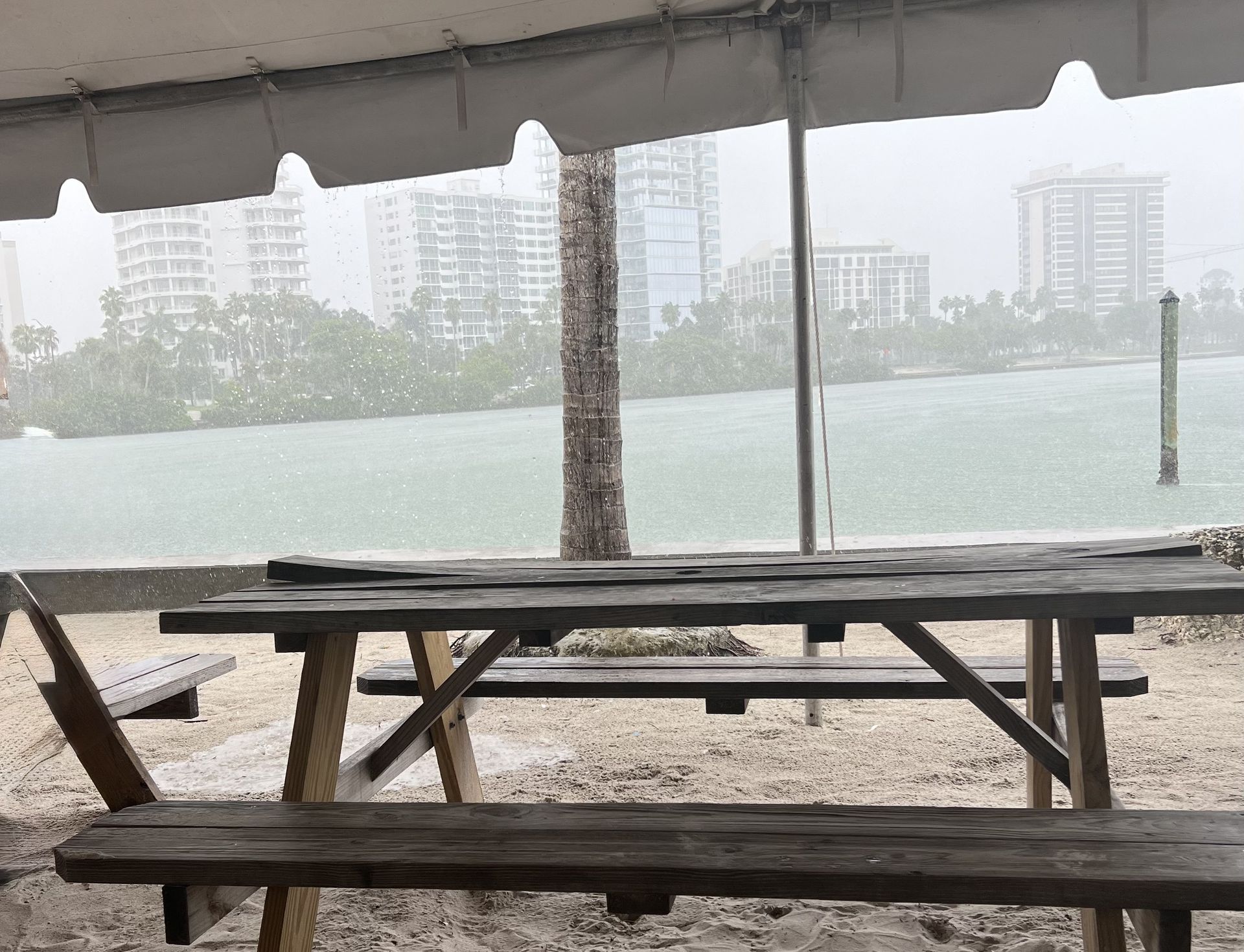
Hurricane season officially begins in June, but along Florida’s Gulf Coast, the first part of the season can sometimes feel surprisingly quiet. After an unusually long dry stretch across Sarasota and much of Southwest Florida, it may be easy to let hurricane preparation slide.
August is a good time to change that.
Historically, most Atlantic hurricane activity occurs from mid-August through mid-October. Although NOAA’s current outlook anticipates a below-normal 2026 Atlantic hurricane season overall, seasonal forecasts cannot tell us where or when a storm will make landfall. A quieter forecast also doesn’t eliminate the possibility of damaging wind, storm surge or several inches of rain arriving in a short period.
Before the season reaches its busiest stretch, take a few minutes to check the areas of your property most likely to allow water inside.
Why heavy rain after a dry stretch can reveal problems
Weeks or months of dry weather can create a false sense that everything is working properly. A roof may appear fine because it hasn’t faced sustained rain. Gutters and drains may look clear from the ground while holding leaves, roof grit and other debris. Small gaps around windows, doors or exterior penetrations may remain unnoticed until wind-driven rain reaches them.
Dry conditions can also leave soil hard and less able to absorb a sudden downpour. When heavy rain arrives quickly, more water may collect around foundations, lanais, entryways and low areas of the property.
The goal isn’t to assume something is wrong. It’s to identify simple problems now, while there is still time to correct them.
1. Check gutters, downspouts and exterior drains
Remove leaves and debris from gutters, downspouts, pool-deck drains and other drainage areas. Make sure downspouts direct water away from the house rather than allowing it to collect near the foundation.
Walk around the property and look for low spots where water may pool. If possible, check these areas during an ordinary afternoon storm so you can see where the water naturally travels.
2. Look for signs of roof trouble
You don’t need to climb onto the roof yourself. From the ground, look for visibly damaged or missing shingles, loose flashing, damaged soffits or debris resting on the roof.
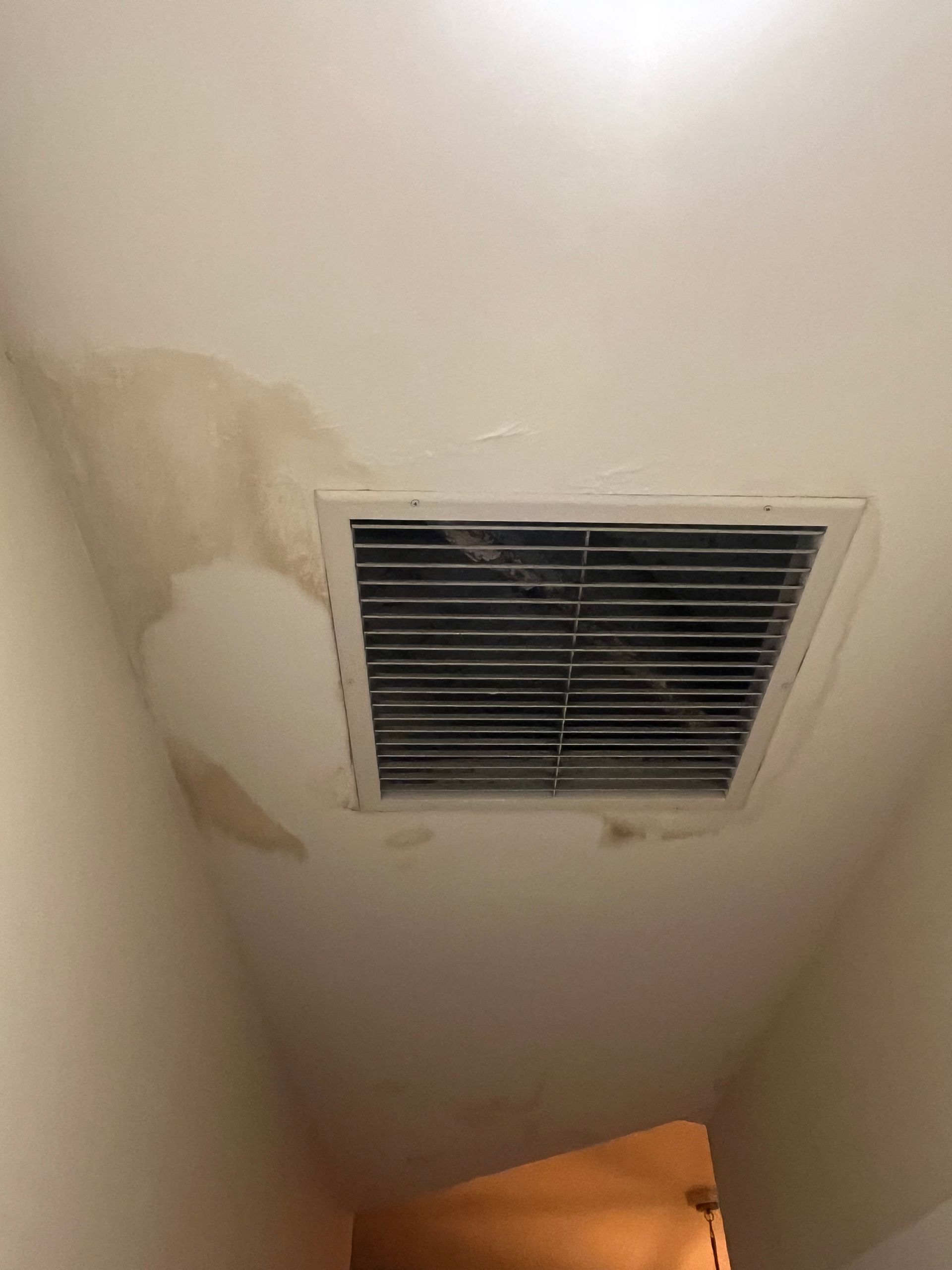
Inside, check ceilings and the attic for:
- Brown or yellow staining
- Peeling or bubbling paint
- Damp insulation
- Musty odors
- Discoloration around vents or light fixtures
A small roof opening can become a much larger
water problem during prolonged or wind-driven rain.
3. Inspect windows, doors and sliding-glass tracks
Check the seals around windows and exterior doors for visible gaps, deterioration or missing caulk. Clear dirt and debris from sliding-door tracks and confirm that their drainage openings are not blocked.
After a storm, water around a window or door does not always mean the opening itself failed. Wind-driven rain can enter through nearby exterior gaps and travel inside the wall before becoming visible. That is why locating the actual source matters before repairs begin.
4. Test equipment before you need it
Test sump pumps, portable generators, wet vacuums and other equipment you may rely on after a storm. Confirm that you have the correct extension cords, fuel-storage plan and operating instructions.
Never operate a generator indoors, inside a garage or near doors and windows. Carbon monoxide can build up quickly and cannot be seen or smelled.
5. Photograph your property
Take current photos of each room, major belongings and the outside of the property. Include the roofline, windows, doors, fencing and any areas with previous repairs.
These pictures can help document the property’s pre-storm condition if damage occurs. Keep copies somewhere accessible even if your phone is lost or damaged.
6. Know what to do if water enters your home
If water comes inside, prioritize safety. Avoid standing water near electrical outlets, appliances or a damaged electrical system. If the building appears structurally unsafe or officials have ordered an evacuation, leave the property.
Once it is safe:
- Photograph visible damage.
- Move unaffected belongings away from the wet area when possible.
- Avoid disturbing suspected
mold growth.
- Contact a restoration professional promptly.
- Keep records of conversations, inspections and completed work.
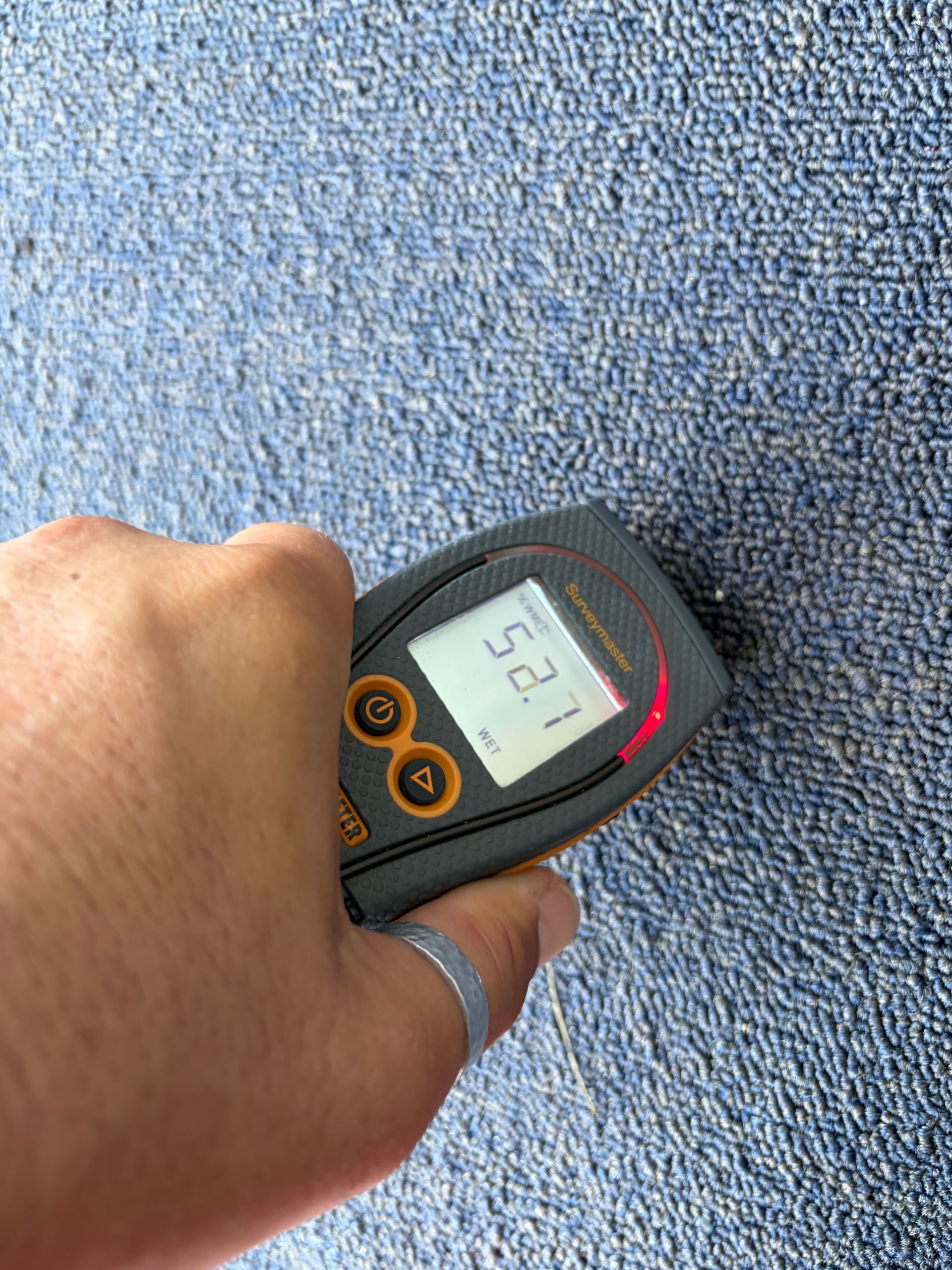
Fast action matters because moisture can spread behind walls, beneath flooring and into insulation even when the visible water seems limited.
Preparation without panic
Hurricane preparation does not need to be driven by fear. A quiet start to the season does not guarantee a quiet finish, but it also doesn’t mean every storm will reach Sarasota.
The practical approach is simply to check the property, correct obvious vulnerabilities and know who to call if damage occurs.
Acme Cleaning & Restoration provides 24/7 water damage restoration,
storm damage restoration, mold remediation, and fire and smoke restoration throughout Sarasota, Manatee, Charlotte and Pinellas counties. We focus on honest assessments, clear explanations and the least invasive solution appropriate for your property.
If water enters your home or you discover signs of hidden moisture after a storm, contact Acme for help assessing the damage and determining the right next step.
📸 Not Sure What You’re Looking At?
Text us a photo.
We’ll help you determine whether it’s something to monitor or something that should be inspected before it becomes a larger problem.
At Acme Cleaning & Restoration, we help homeowners throughout Sarasota, Manatee, Charlotte and Pinellas counties identify water intrusion, moisture issues and mold problems—and provide 24/7 restoration help when damage occurs.
📞
Call or text
941-424-5004