Musty Smell in Your Florida Home? Hidden Moisture Causes | Acme

October 1, 2026

Musty Smell in Your Florida Home?

Where Moisture May Be Hiding

You walk into a room and notice it immediately.


That slightly damp, earthy, musty smell.


Maybe it comes and goes. Maybe it is stronger when the air conditioning has been running. Maybe you have looked around and cannot see any obvious water damage at all.


In Florida homes, that is not unusual.


Our heat and humidity mean moisture can become a problem long before you see a dramatic leak or visible damage. A musty smell does not automatically mean you have a major mold problem, but it can be a sign that moisture is hanging around somewhere it should not be.


The important thing is figuring out where the moisture is coming from.

Why Florida Homes Are So Prone to Moisture


Florida homes deal with moisture from several directions at once.


High outdoor humidity, heavy rain, air-conditioning systems running much of the year, plumbing lines inside walls, and occasional roof or window leaks can all introduce moisture into the home.


Most houses are designed to handle normal humidity, even in humid Florida homes. Problems start when an area stays damp for too long or moisture becomes trapped inside building materials.


And sometimes the first clue is not a puddle.


It is a smell.


1. Air Conditioning and Condensation

Your HVAC system removes moisture from the air while it cools your home.


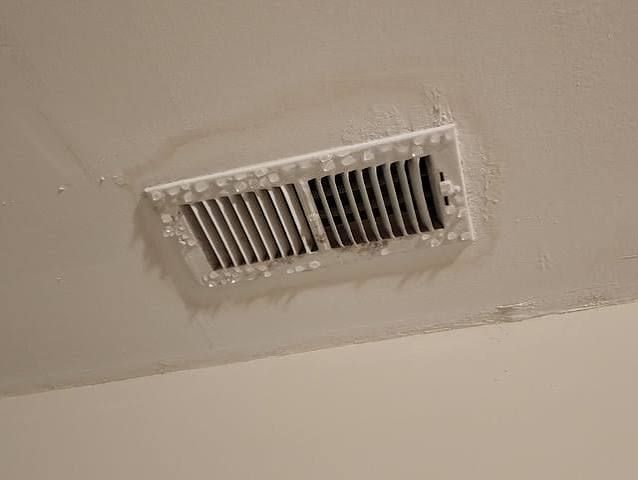
But condensation around air handlers, ductwork, vents or drain lines can sometimes create damp conditions.


You may notice:


  • A musty smell near a vent
  • Discoloration around an air register
  • Moisture or sweating around ductwork
  • A damp area near the air handler
  • A smell that becomes stronger when the AC runs
  • A clogged condensate drain or another HVAC issue can also allow moisture to build up without creating an obvious leak.

We also covered some of the warning signs in our guide to AC condensation and moisture around air vents.


Condensation and moisture around an air conditioning vent in a Florida home

2. Slow Plumbing Leaks


Not every plumbing leak announces itself with water pouring through the ceiling.


A small leak beneath a sink, behind a wall, around a toilet or inside a cabinet can release moisture slowly.


Because the water may be absorbed by drywall, wood or cabinetry, you might smell the problem before you see it.


Other signs can include swollen baseboards, peeling paint, soft drywall or flooring that suddenly feels different underfoot.


3. Moisture Behind Walls or Ceilings


Water does not always stay directly beneath the source of a leak.


It can travel along pipes, framing and other materials before becoming visible somewhere else.


That means the stain you see—or the area you smell—may not be directly beneath the actual source.


If the moisture came from a leak or other water intrusion, you can learn more about Acme’s water damage restoration services.


This is one reason moisture readings can be useful. They can help identify whether nearby materials are holding moisture even when the surface looks dry.

4. Bathrooms and Laundry Areas


Bathrooms and laundry rooms naturally produce a lot of moisture.


Poor ventilation, small plumbing leaks, wet flooring or water getting behind walls can create damp conditions over time.


Pay attention if a musty smell remains even after the room has dried out or been cleaned.


The same applies around washing machines, especially near supply hoses, drains and the wall behind the machine.

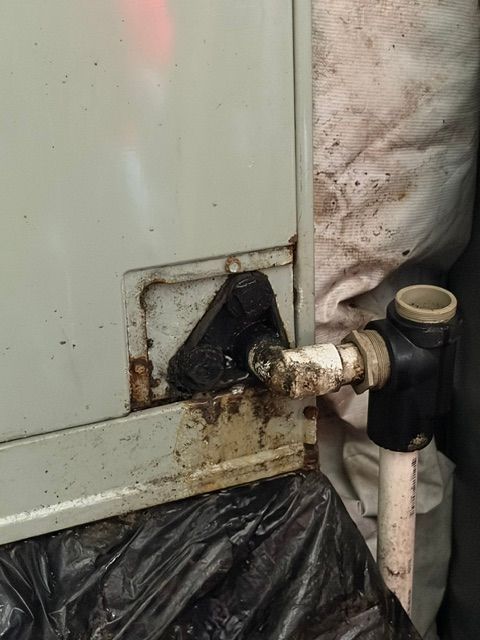
Close-up of a wall-mounted AC plumbing valve with moisture and mold

5. Flooring and Baseboards


Moisture beneath flooring can be especially easy to miss.


You may first notice:


  • Warped or lifting flooring
  • Swollen baseboards
  • A persistent smell near the floor
  • Flooring that feels unusually soft
  • Discoloration along the edge of a wall

Water may come from plumbing, exterior intrusion or a previous leak that was never fully dried.


Does a Musty Smell Mean You Have Mold?


Not necessarily.


A musty smell in a Florida home can indicate damp materials or microbial growth, but the smell alone cannot tell you exactly what is happening.


That is why we prefer to start with the moisture source rather than jumping immediately to the worst-case scenario.


If an area is wet, the first questions should be:


Where is the moisture coming from?

How much of the area is affected?

Are the materials still wet?


Once those questions are answered, it becomes much easier to determine what needs to happen next.


If mold is actually present, the next step depends on the hidden moisture in the home source and how much of the area is affected. You can learn more about our mold remediation services here.


When Is It Worth Having the Area Checked?


It may be worth investigating if:


  • The smell persists for several days
  • The smell returns after cleaning
  • You recently had a plumbing, roof or AC leak
  • You notice staining or swollen materials (possible moisture behind walls)
  • One room consistently smells different from the rest of the house
  • The musty smell from the AC becomes stronger when it runs
  • You simply cannot identify where it is coming from

For homeowners in Sarasota and the surrounding Gulf Coast communities, finding a moisture issue early can sometimes mean a much smaller repair.


Waiting until drywall, flooring or cabinetry is visibly damaged can turn a relatively contained problem into a much larger one.


Start With the Source


A musty smell can be unsettling, but it does not have to mean your home needs major restoration.


At Acme Cleaning & Restoration, we start by looking for the source of the moisture and checking the affected materials before recommending work.


Sometimes the solution is straightforward.


Sometimes there is hidden moisture that needs attention.


Either way, homeowners deserve to understand what is happening before making a decision.


If something in your home smells damp or musty and you cannot figure out why, Acme can help you take a closer look.


Serving homeowners throughout Sarasota, Manatee, Charlotte and Pinellas counties.


Call Acme Cleaning & Restoration at 941.424.5004 or contact us through our website.

Florida Home Restoration Tips and Resources

Acme Restoration technician inspecting a ceiling air vent in a Sarasota home
By Acme Cleaning and Restoration Team • August 29, 2026
AC leaks, condensation and poor HVAC workmanship can lead to hidden moisture and mold. Here are 6 things Sarasota homeowners should watch for.
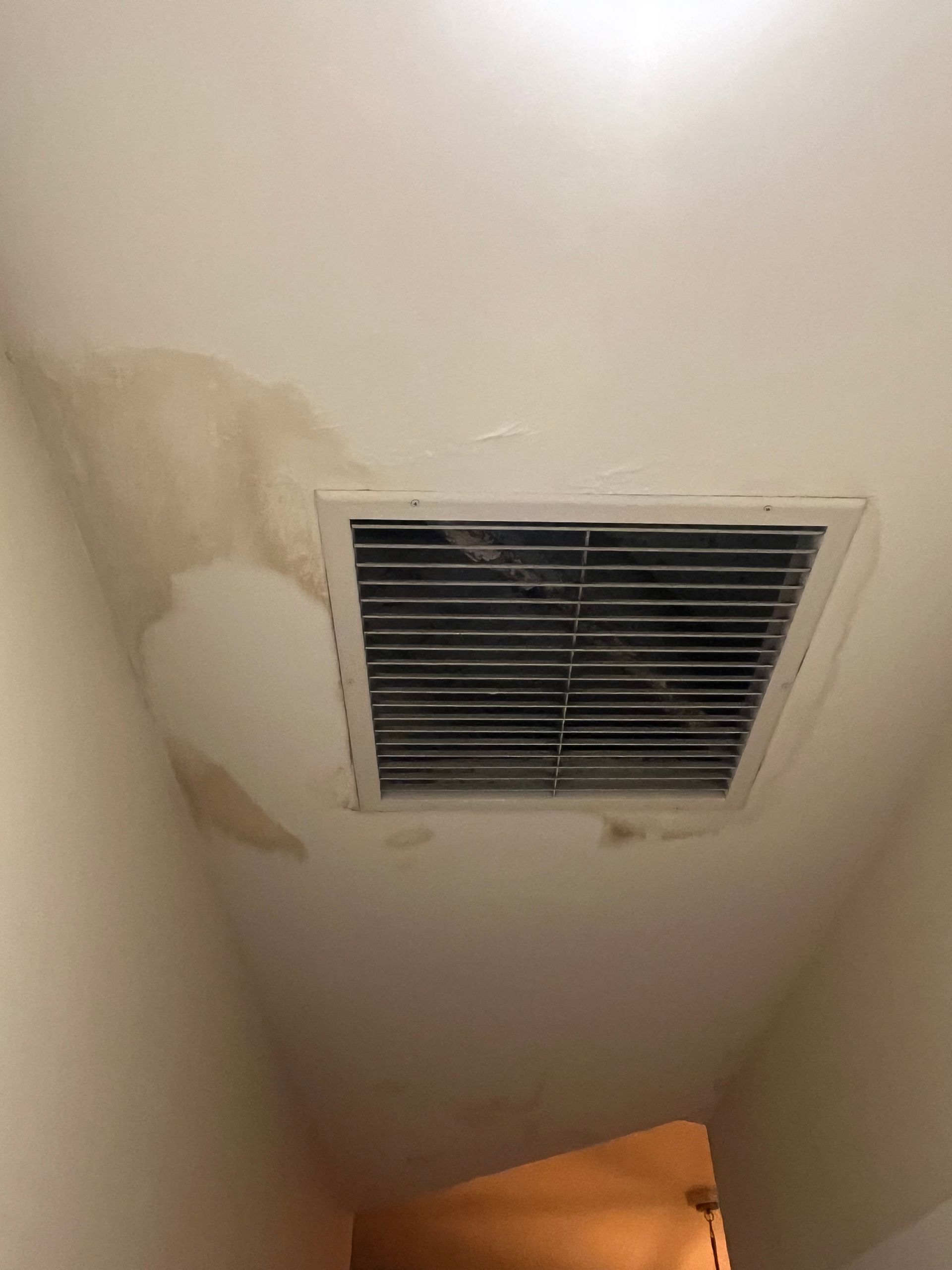
Water-damaged ceiling around an AC vent after an air-conditioning system failure on Siesta Key
By Acme Cleaning and Restoration Team • August 18, 2026
A failed AC system caused ceiling leaks and water damage in a Siesta Key property. See how Acme responded after hours and dried the affected areas.
Dark storm clouds gathering over a Sarasota beach and the Gulf of Mexico, viewed from a rooftop.
By Acme Cleaning and Restoration Team • July 29, 2026
Hurricane season can change quickly. Learn how Sarasota homeowners can prepare for heavy rain, water intrusion, and storm damage before conditions worsen.
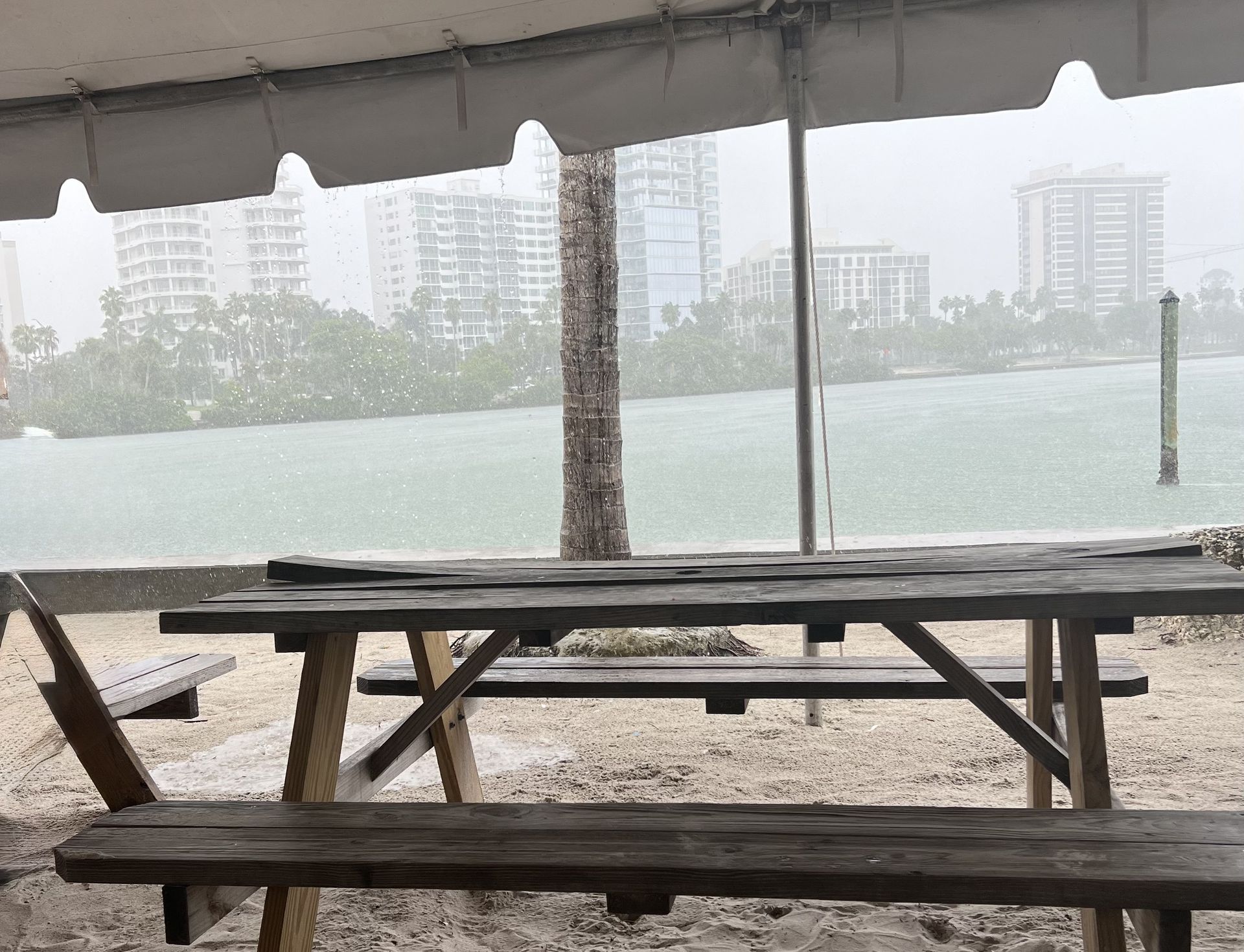
Heavy rain falling over Sarasota Bay during Florida’s rainy season.
By Acme Cleaning and Restoration Team • July 4, 2026
Learn 7 signs of water damage during Florida's rainy season. Act now to protect your home from mold & costly repairs.
Christmas tree decorated with red ornaments on a sandy beach, with ocean and sky background.
By Acme Cleaning and Restoration Team • December 10, 2025
Use this December home maintenance checklist to prevent water damage, mold growth, and hidden moisture issues in your Florida home this winter.